Fixing a broken garage door spring looks like a manageable task from the outside, but the reality of what the repair involves tells a very different story. The spring system holds hundreds of pounds of force, and one wrong move during the process can cause an injury that no homeowner should have to deal with.
Broken garage door spring repair requires specialized tools, technical knowledge, and hands-on experience that most people simply do not have. Walking through the full picture of what this repair demands makes it easy to see why calling a professional is always the better option.
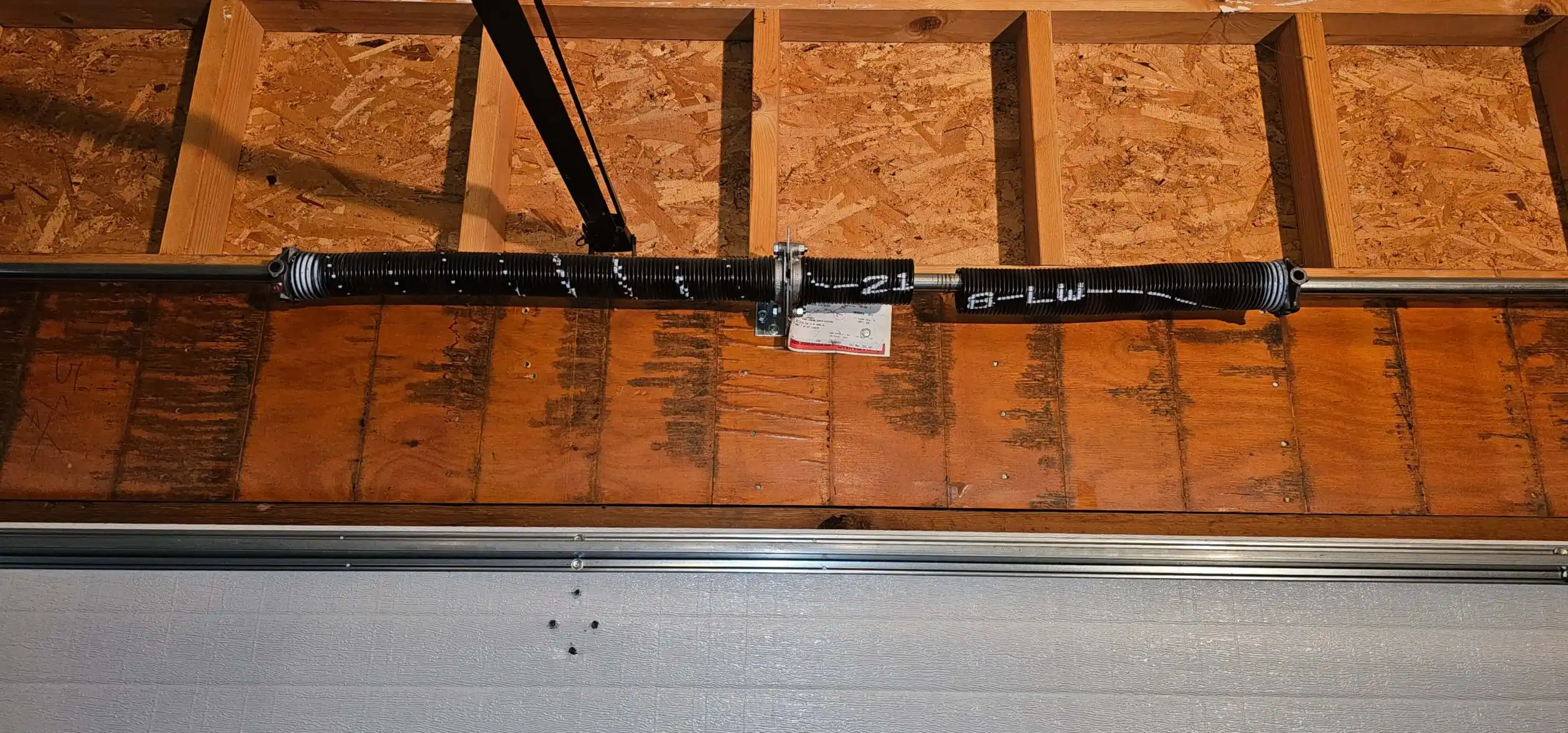
Why Do Garage Door Springs Break?
Garage door springs carry the full mechanical load of the door system through thousands of open and close cycles, and when the cumulative stress on the coils becomes too much to bear, the spring breaks and the entire door stops working.
Common reasons garage door springs break include:
- Standard torsion springs are rated for 10,000 cycles, and daily usage adds up fast.
- Repeated stretching and compression weakens the coils over time.
- Springs eight to twelve years old are far more likely to snap without warning.
- Friction, rust, and corrosion weaken the metal before the cycle count runs out.
- Skipping routine inspections puts extra strain on the coils and accelerates premature failure.
To understand what homeowners actually see and hear when a spring fails, read our guide on How to Tell If Garage Door Spring Is Broken, which covers the warning signs that confirm a spring has reached the end of its life.
Can a Broken Garage Door Spring Be Fixed Without Professional Help?
No, a broken garage door spring should never be handled without professional training and equipment. Attempting the repair without the right tools and knowledge exposes homeowners to dangers that go far beyond a simple mechanical fix.
Here are the risks that make DIY spring repair a serious hazard:
Severe Physical Injury
Torsion springs store enough mechanical energy to cause life-altering injury the moment something goes wrong during a repair attempt.
Watch for these dangers when handling springs without professional training:
- Winding bars that slip from the winding cone can whip around with enough force to break bones.
- A spring under high tension can snap and recoil violently in any direction.
- Most homeowners lack the protective clamps and pliers professionals use to control spring movement.
- One miscalculation during winding puts everyone nearby at serious risk of injury.
Torsion spring injuries happen fast and without warning, which is why this repair demands professional handling every time.
Door Dropping and Crushing Hazards
Releasing the wrong component while the door is unsecured turns the door’s weight into an immediate hazard.
Situations that lead to a sudden door drop include:
- Removing a spring while the door is open leaves nothing to counterbalance the dead weight above.
- Garage doors weigh between 130 and 350 pounds and can crush anything underneath.
- Securing the door during spring work requires techniques most homeowners have never used.
- Even minor movement during the repair can trigger an uncontrolled drop.
Losing control of a door on a high-tension system without proper training almost always ends in emergency garage door repair.
Burned Out Motors From Improper Tension
Getting spring tension wrong during installation puts the garage door opener under stress it was never designed to handle.
Common ways improper tension damages the opener:
- Overtightened springs cause the door to move too fast, straining the motor on every cycle.
- Under-tensioned springs force the opener to carry the door’s full weight until the motor burns out.
- Uneven tension causes rollers and cables to wear at different rates.
- Opener damage from improper tension often goes unnoticed until the motor fails completely.
Incorrect spring tension affects far more than the spring itself, and the opener typically shows the damage first.
Voided Warranties and Insurance Issues
Unauthorized repairs on high-tension garage door components carry financial consequences that extend well beyond the spring itself.
Key coverage risks that come with DIY spring work include:
- Most manufacturers void warranties the moment an unlicensed person performs spring repairs.
- Homeowner’s insurance may deny claims for damage caused by an improperly repaired garage door.
- Unlicensed spring work can complicate a home inspection and affect property value.
- Springs installed without professional oversight carry no parts or labor warranty.
Working without a licensed technician removes warranty and insurance protection, and any subsequent garage door repair falls entirely outside covered services.
The Two-Spring Trap
Most garage doors rely on two springs working together, and that setup creates a specific danger when only one breaks.
Risks that come with a two-spring system during a DIY repair include:
- Both springs are the same age, meaning the second is likely close to breaking as well.
- Removing the broken spring while the second remains wound creates an unpredictable tension imbalance.
- Extension springs on both sides must stay balanced during any repair work.
- A door that twists mid-repair can cause the remaining spring to release suddenly.
Replacing only one spring sets up a repeat failure, which is why proper garage door spring installation always accounts for both springs at the same time.
What to Do Instead of Attempting a DIY Spring Repair
Knowing the right steps to take after a spring breaks keeps the situation from getting worse before a professional arrives.
Here are the immediate steps to take when a garage door spring breaks:
- Stop using the door immediately and disconnect the garage door opener to prevent motor strain.
- Leave the door in its current position and avoid forcing it open or closed manually.
- Clear the area of vehicles, pets, and belongings until the repair is complete.
- Block access to the garage door and use an alternate entry point to secure the home.
- Contact a licensed garage door technician in Boise, ID and describe the door’s current condition accurately.
To find out whether the door can be moved at all before help arrives, read our guide on Can You Manually Open a Door With a Broken Garage Door Spring?, which covers what manual operation actually involves and when it should be avoided.
Why Hiring a Pro Is the Smarter Choice
Professional garage door spring repair delivers results that protect the door, the opener, and everyone who uses the garage daily.
Reasons hiring a pro is always the better decision:
- Licensed technicians bring years of experience and specialized tools that make repairs accurate.
- Professionals complete garage door spring replacement correctly the first time.
- A professional catches issues in cables, rollers, and the opener that homeowners typically miss.
- Reputable companies back their work with a warranty on parts and labor.
- Proper installation keeps the opener and hardware within normal parameters longer.
Hiring a professional addresses more than the spring and ensures the entire garage door system holds up long after the repair is done.
How Professionals Handle Garage Door Spring Repair
Trained technicians follow a precise process that covers the full garage door system, not just the broken spring.
Here is what a professional garage door spring repair visit typically involves:
- A full inspection of cables, rollers, tracks, and the opener comes before any work begins.
- Door weight and dimensions are measured to select the correct spring.
- Both springs are evaluated and replaced when needed to keep the door balanced.
- Tension is set using calibrated tools that keep the opener within normal parameters.
- The door is tested manually and with the opener before closing out.
Every step in the process ensures the garage door system functions correctly and holds up under daily usage.
How to Prevent Garage Door Spring Problems in Boise, ID
Keeping garage door springs in good condition comes down to consistent care and knowing what to watch for before a small issue turns into a full spring failure.
Practical steps Boise homeowners can take to extend spring life:
- Lubricate the spring coils at least twice a year to reduce friction and slow down wear.
- Inspect for rust and corrosion regularly, especially after Boise’s wet seasons.
- Disconnect the opener and test door balance manually every few months.
- Tighten loose bolts, hinges, and brackets during routine checks.
- Schedule an annual professional inspection to catch signs of wear early.
To confirm what specific factors push a spring toward failure and how each one affects the full system, read our guide on Common Causes of a Broken Garage Door Spring, which covers the root causes behind every type of spring breakdown.
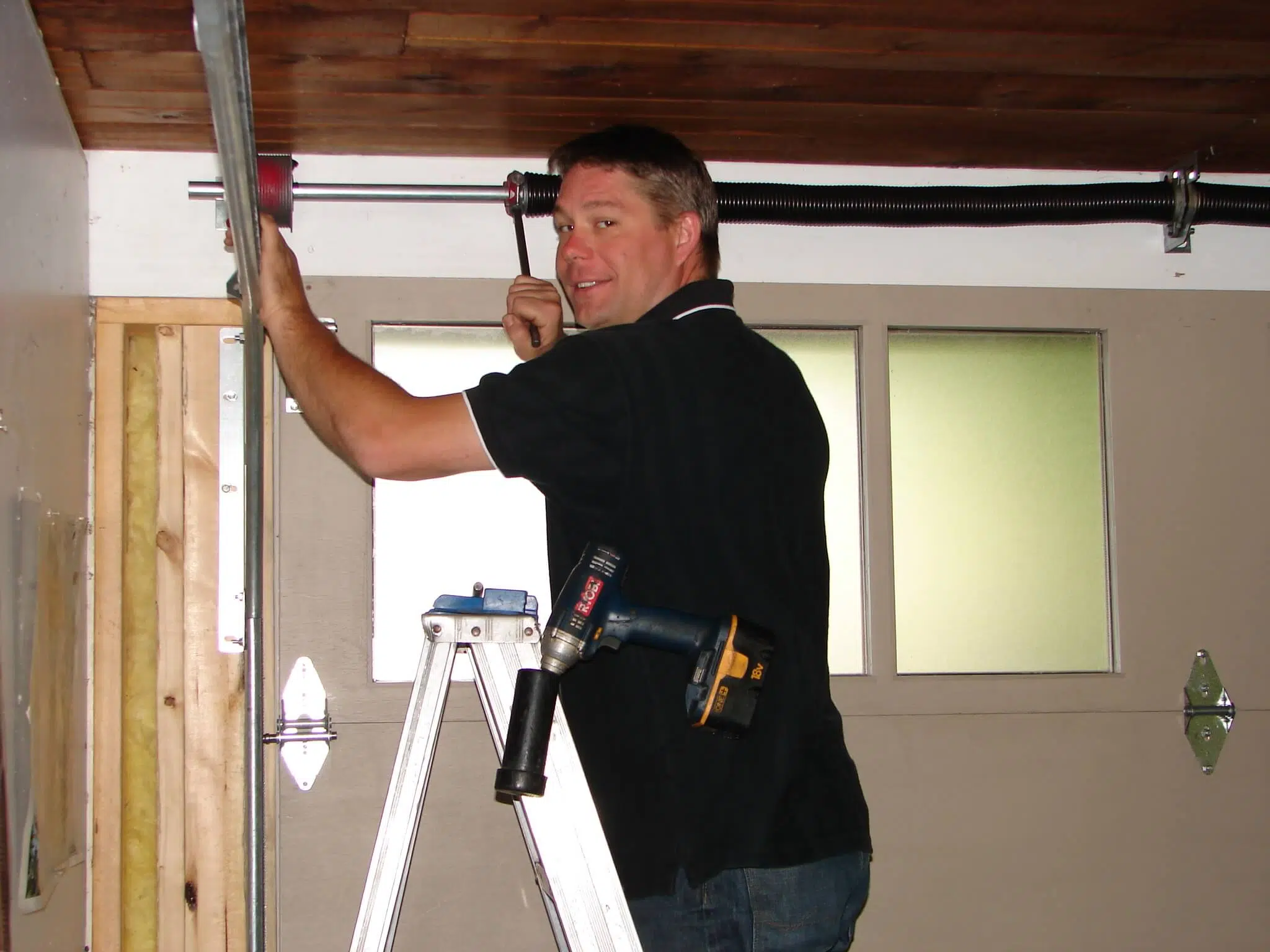
Why Fixing a Broken Garage Door Spring Yourself Is Never Worth the Risk
Every broken garage door spring carries a level of tension and complexity that makes professional repair the only practical path forward. The risks involved go well beyond the spring itself and affect the opener, the cables, and the safety of everyone who uses the garage.
Sawtooth Garage Doors serves the Boise, ID area with professional garage door spring repair, honest system assessments, and full-service garage door repairs that homeowners trust. Contact us or give us a call today and let our team inspect the full system and get the door working properly again.