
Garage doors are one of the most frequently used moving systems in your home, yet most homeowners rarely think about how they actually operate. You press a button, the door moves, and you go about your day. But behind that simple motion is a carefully engineered system of springs, cables, tracks, rollers, and an opener working together in perfect balance. Understanding how garage doors work can help you recognize potential problems, appreciate the importance of maintenance, learn how garage doors work and make smarter decisions when it comes to repairs or replacements.
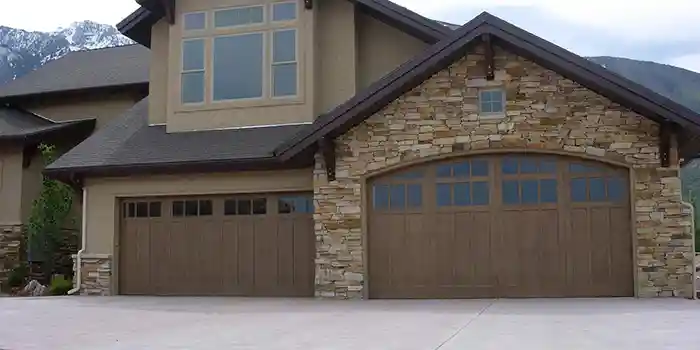
The most critical component of this system is the garage door springs. Most modern garage doors use either torsion springs or extension springs. Torsion springs are mounted above the door and twist to store energy when the door closes. When you open the door, that stored energy is released to help lift the door smoothly. Extension springs, on the other hand, stretch along the sides of the door and pull to assist in lifting. Both types serve the same purpose: making the door light enough to move safely and efficiently.
Attached to the springs are steel cables that run along each side of the door. These cables connect the springs to the bottom of the door and play a crucial role in lifting and lowering. When the springs release their tension, the cables transfer that force to the door, allowing it to move up or down in a controlled way. If a cable becomes frayed or breaks, the door can become unbalanced or even dangerous to operate.
The movement of the door is guided by metal tracks mounted on either side of the garage opening. These tracks ensure the door travels along a smooth, predictable path rather than wobbling or shifting. Small garage door rollers are attached to the edges of the door and fit into these tracks, allowing the door to glide up and down with minimal friction. Over time, rollers can wear out or become noisy, which is why regular lubrication and maintenance are important.
For automatic garage doors, the opener is the motorized device that controls movement. Most openers use a chain, belt, or screw drive system to pull the door along a rail mounted to the ceiling. When you press your remote or wall button, the opener activates and moves the door along its track. Modern openers also include safety features such as photoelectric sensors near the floor that detect objects in the door’s path. If something blocks the beam, the door will automatically reverse to prevent damage or injury.
The balance between all these components is what makes a garage door function properly. If the springs are too tight or too loose, the door may slam shut or struggle to open. If the tracks are misaligned, the door can stick or come off track. If the opener is weak or malfunctioning, the door may move slowly or not at all. That is why professional installation and regular maintenance are so important.
Many homeowners are surprised to learn that garage doors are not meant to be lifted primarily by the opener. Instead, the springs do most of the work. The opener simply guides the door along its path. If you disconnect your opener and try to lift your garage door manually, it should feel relatively light and stay in place halfway up. If it feels heavy or falls quickly, your springs likely need adjustment or replacement.
Different types of garage doors also affect how the system works. Sectional garage doors, which are the most common today, are made up of several horizontal panels connected by hinges. This design allows the door to bend as it moves from vertical to horizontal along the ceiling. Older one-piece tilt-up doors operate differently, swinging outward before moving upward, which requires more clearance in front of the garage.
Understanding how your garage door works can help you spot warning signs early. Grinding noises may indicate worn rollers or lack of lubrication. A door that opens unevenly could signal a cable problem. A door that feels heavy may point to failing springs. Catching these issues early can prevent costly repairs and improve safety.
A properly functioning garage door is essential for security, convenience, and peace of mind. Knowing how garage doors work and the basics of how springs, cables, tracks, rollers, and openers work together, homeowners can better care for their system and avoid unnecessary breakdowns.
If you ever have concerns about your garage door’s performance, our professional garage door contractors can inspect, adjust, and repair your system to keep it operating safely and smoothly. Your garage door works hard every day, and with the right care, it can serve you reliably for many years to come.