A garage door that keeps breaking down puts homeowners in a tough spot: either spend more on another repair or commit to a full replacement. That decision carries real financial weight, and getting it wrong means paying more than necessary for a problem that could have been solved correctly from the start.
Understanding when a garage door repair is enough and when a replacement is the only logical path forward changes how a homeowner approaches the entire situation. The condition of the door, its age, and the history of past issues all play a role in making the choice that actually solves the problem for good.
Why Knowing the Difference Between Garage Door Repair and Replacement Matters
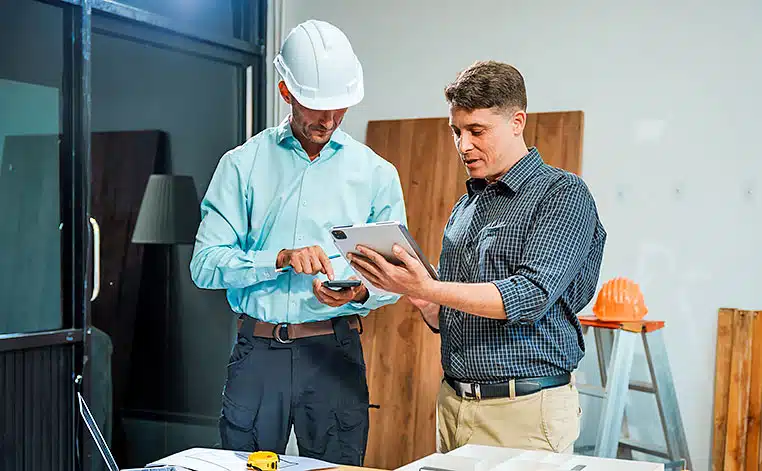
Getting a garage door diagnosis wrong from the start sets off a chain of avoidable costs, failed fixes, and growing damage that builds up over time and becomes harder to reverse the longer it goes unaddressed.
Key reasons why understanding the difference matters include:
- Repairing a structurally compromised door only delays a more expensive fix later.
- Replacing a door that only needed minor service wastes money.
- A wrong diagnosis leads to recurring issues that strain the entire system.
- Knowing the difference helps homeowners avoid repeat service calls for the same problem.
- The right decision protects the long-term value and security of the home.
To understand what issues most commonly push homeowners toward this decision in the first place, read our guide on What Is the Most Common Garage Door Repair?, which covers the most frequent problems technicians find in Boise homes.
Common Garage Door Problems Every Homeowner Should Know
Garage doors experience daily mechanical stress, and common problems tend to develop gradually before they lead to a full system failure.
Common issues homeowners encounter include:
- Broken or snapped torsion springs that make the door too heavy to lift or operate.
- Frayed cables that cause the door to move unevenly or fall to one side.
- A faulty motor unit or damaged internal wiring that stops the opener mid-cycle.
- Misaligned or dirty safety sensors that trigger unexpected reversals during closing.
- Warped panels, bent frames, or severe rust that compromise the door’s structural integrity.
Identifying these issues early is what separates a straightforward repair from a problem that quietly grows into a full replacement situation.
When to Repair and When to Replace a Garage Door
When Garage Door Repair Is the Right Choice
Repair is the most practical option when the door is structurally sound, and the damage is limited to one or two components.
Situations where repair makes the most sense include:
- Door Age: The door is under 15 years old, and the core structure is still intact.
- Minor Hardware Issues: Worn rollers, rusted hinges, or loose bolts are affecting smooth operation.
- Single Panel Damage: Only one or two panels are dented or cracked while the rest of the door remains undamaged.
- Simple Opener Fixes: Misaligned safety sensors, a broken garage door spring, or a faulty remote can be resolved in a single visit.
Repair done at the right time keeps costs low and extends the working life of a door that still has plenty of use left.
When Replacement Is the Better Option
Replacement makes more sense when the door has aged past its functional prime or sustained damage that individual repairs cannot fully address.
Situations where replacement is the better call include:
- Door Age: The door is between 15 to 30 years old, and parts are becoming harder to source.
- Structural Damage: Warping, severe rusting, or vehicle impact has compromised the integrity of the entire frame.
- Consistent Breakdowns: Repeated failures every few months indicate the system is wearing out.
- Outdated Safety Features: Pre-1993 doors lack the modern auto-reverse mechanisms that meet current safety standards.
Industry experts follow the 50% rule: if repair costs exceed 50% of the price of a new garage door, garage door replacement is the smarter investment.
Why Garage Door Repair and Replacement Should Always Be Left to the Pros
Garage door systems carry serious mechanical and electrical risks that go well beyond what general home repair experience can handle.
Reasons why professional service is always the better call include:
- Springs and cables store significant energy and cause injury when mishandled.
- Worn mechanical parts and alignment issues stay hidden without a trained eye.
- Circuit breaker, power connection, and motor unit faults require specialized diagnosis.
- Improper garage door installation creates misalignment that affects every connected component.
- Incorrect repair attempts create new problems beyond the original issue.
Trained technicians bring the tools, experience, and diagnostic knowledge that guarantee every repair and replacement holds up over time.
Garage Door Repair and Replacement Services Pros Handle
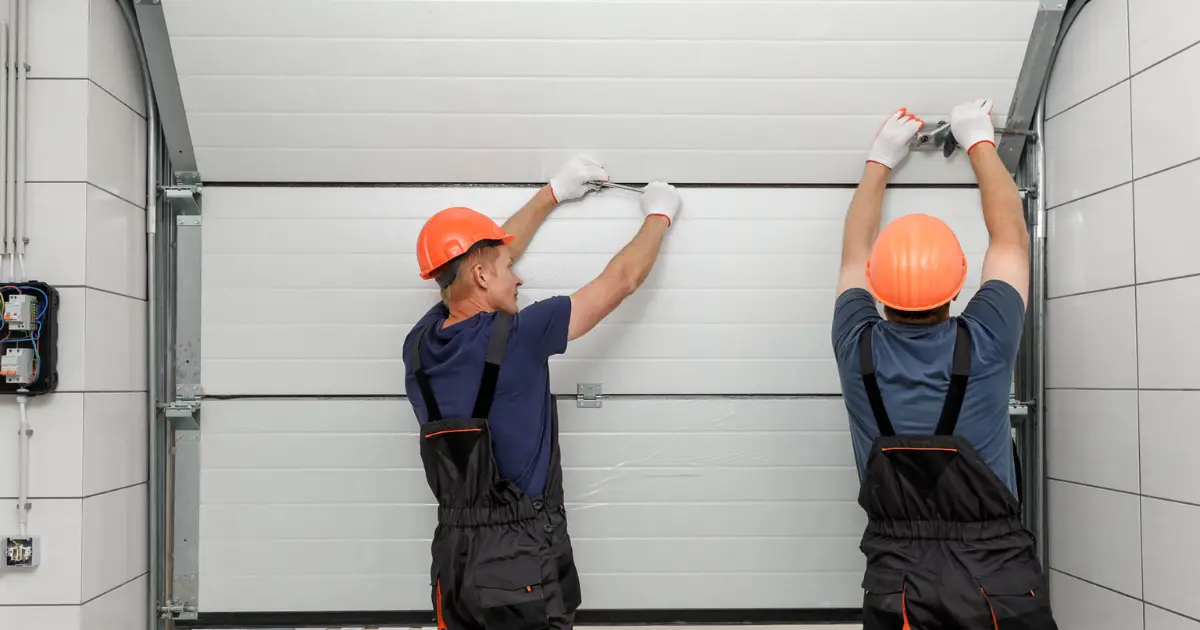
Trained technicians provide a wide range of garage door services, from individual component repairs to complete door replacements.
Service | Description |
Broken Garage Door Spring Repair | Replaces worn or snapped springs and calibrates tension to match the door’s weight |
Garage Door Cable Repair | Restores even lifting by replacing frayed or snapped cables and realigning the drums |
Garage Door Roller Repair | Replaces worn rollers that cause the door to move unevenly or produce grinding sounds |
Garage Door Track Adjustment and Realignment | Corrects bent or misaligned tracks that prevent the door from moving smoothly |
Garage Door Opener Repair | Diagnoses and fixes motor unit, logic board, and wiring faults affecting door operation |
Garage Door Sensor Repair | Realigns or replaces safety sensors that cause unexpected reversals during closing |
Emergency Garage Door Repair | Resolves urgent door failures that compromise the security and safety of the home |
Garage Door Panel Replacement | Removes and replaces damaged panels to restore the door’s structure and appearance |
To find out how to choose the right team for these services in Boise, read our guide on How to Find a Reliable Garage Door Repair Company in Boise, which walks through the key qualities that separate trustworthy professionals from the rest.
The Cost of Garage Door Repair vs Replacement
Knowing how much does garage door repair cost compared to a full replacement starts with understanding the factors that drive the final number.
Key cost factors to consider include:
- Component type directly affects labor time and overall parts cost.
- Door age and brand affect how easy it is to source replacement parts.
- Frame or track damage adds complexity and increases the total cost.
- Material, size, and insulation level drive the bulk of replacement pricing.
- After-hours service calls carry a higher fee than scheduled appointments.
Getting a professional assessment is the most accurate way to determine where a specific situation falls on the cost spectrum.
How to Maintain a Garage Door After Repair or Replacement
Proper garage door maintenance after a repair or replacement protects the investment and keeps every component working the way it should.
Essential maintenance steps every homeowner should follow include:
- Lubricate rollers, hinges, and springs every three to six months to reduce friction.
- Test the auto-reverse feature monthly by placing an object in the door’s path.
- Inspect springs and cables for fraying, rust, or visible wear once a month.
- Check door balance by disconnecting the opener and lifting it manually to waist height.
- Schedule a professional inspection annually to catch wear before it affects the system.
To get a complete breakdown of what ongoing care looks like after a professional service, read our guide on How to Maintain Your Garage Door After Repair, which covers every step Boise homeowners need to keep their door in top condition.
Let the Experts Help You Choose Between Garage Door Repair and Replacement
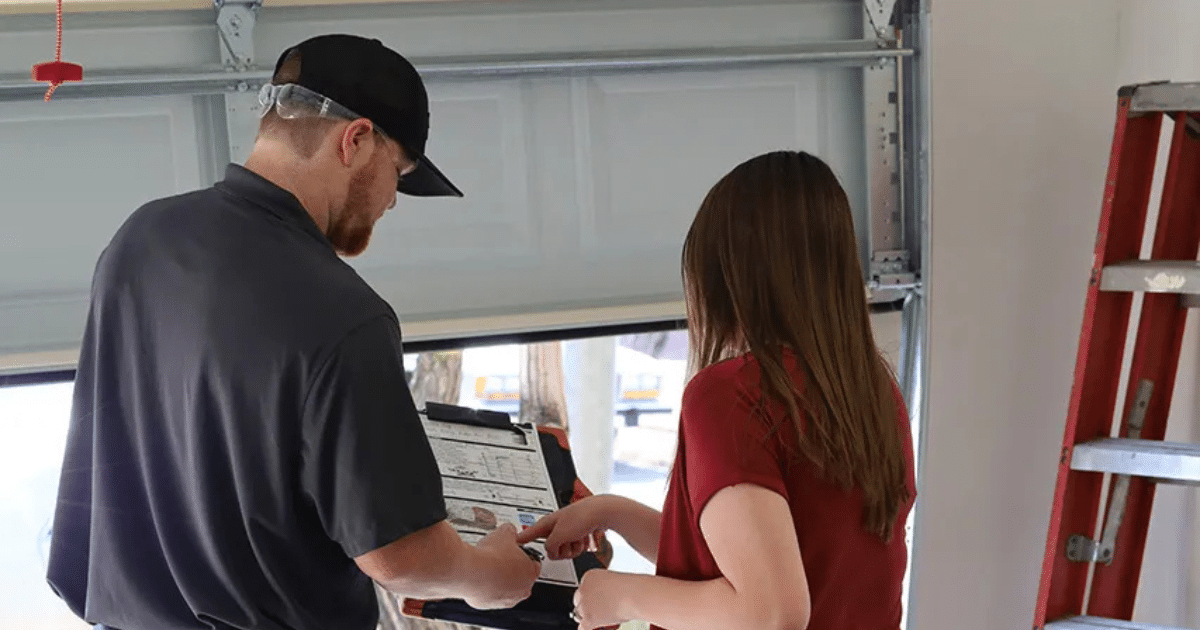
Understanding the condition, age, and repair history of a garage door makes the difference between a decision that holds up and one that leads to more problems down the road. Knowing which signs to look for and when to act keeps the home protected and the door performing as it was designed to.
Sawtooth Garage Doors has been serving Boise homeowners with hands-on experience, honest recommendations, and a commitment to quality work on every job. Contact us or give us a call today, and let our team walk through every option with you to find the best solution for your garage door.