
A garage door repair fixes the problem that brought a technician out in the first place, but it does not automatically protect the door from future wear. The components that were stressed before the repair are still adjusting, and without proper maintenance, the same issues can return faster than expected.
Keeping a garage door in good condition after a repair takes more than an occasional visual check and a quick listen for unusual sounds. This guide covers every maintenance step that matters, from lubricating moving parts to recognizing the warning signs that point to a need for professional attention again.
Why Maintenance Matters After a Garage Door Repair
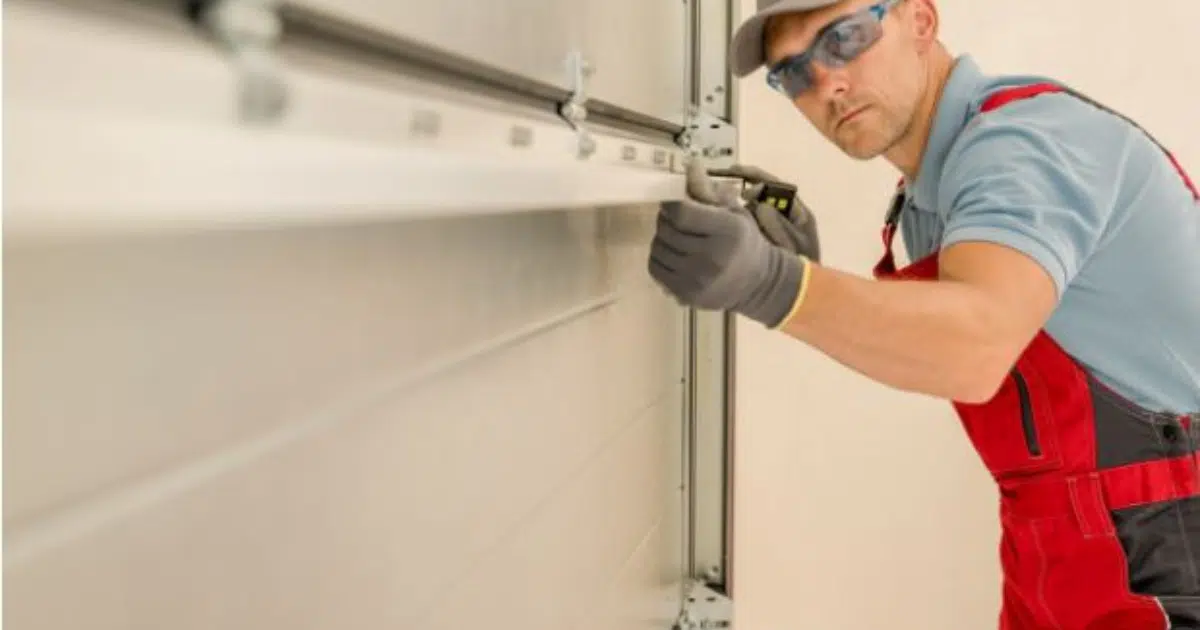
Getting a garage door repaired is just the first step toward keeping the entire system in good working condition, because the components around the repaired area still need attention to hold up over time.
Key reasons include:
- Repaired components are still settling and need monitoring under daily use
- Parts that absorbed stress before the repair remain vulnerable to wear
- Minor issues develop silently without follow-up care until they become costly
- Regular upkeep extends the lifespan of the entire door system
- A maintained door reduces the risk of unexpected breakdowns
To understand what damage is most likely to return without proper follow-up care, read our guide on What Is the Most Common Garage Door Repair?, which covers the most frequent problems technicians find in Boise homes.
The Most Common Garage Door Repairs That Require Follow-Up Care
Every repair places new stress on surrounding components, requiring monitoring to prevent the same problem from recurring.
Repair Type | Why Follow-Up Care Matters |
Surrounding springs absorb extra tension after a replacement and wear down faster without monitoring | |
Garage Door Cable Repair | Cables that were recently replaced need regular inspection for fraying or slack along the tracks |
New rollers require lubrication and track alignment checks to prevent premature wear | |
Garage Door Opener Repair | The motor unit, logic board, and internal wiring need testing after a repair to confirm full function |
Garage Door Sensor Repair | Sensors need consistent alignment checks and lens cleaning to maintain accurate detection |
Components repaired under urgent conditions require a follow-up inspection to confirm that nothing was overlooked |
Knowing which repair was performed helps homeowners focus their maintenance efforts on the parts most likely to need attention first.
How to Maintain a Garage Door After Repair
Lubricate Moving Parts the Right Way
Proper lubrication keeps every moving component running quietly and extends the working life of the parts that were just repaired.
What proper lubrication involves:
- Lithium-based grease or silicone spray works best on garage door components
- Hinges, roller stems, and torsion spring coils all need regular coating
- Nylon roller bearings require lubrication on the bearing itself, not the wheel
- Tracks should never be greased, as it causes the door to slip and bind
- WD-40 attracts dust and breaks down protective coatings over time
Skipping lubrication after a garage door repair accelerates wear on components already under increased stress from the recent service.
Tighten Hardware and Check the Tracks
Vibration from daily operation gradually loosens bolts and brackets, and catching that looseness early keeps the door moving evenly along the tracks.
What hardware and track checks involve:
- Roller brackets, hinges, and track mounts need checking with a socket wrench
- Loose bolts should be tightened carefully without overtightening the fasteners
- Vertical and horizontal tracks need wiping with a damp cloth to remove debris
- Bent or visibly shifted tracks require a professional inspection before further use
- Hardware that keeps loosening after tightening points to a deeper alignment issue
Regular hardware checks after a garage door repair prevent uneven door movement and increased wear on the rollers and tracks.
Test the Safety Features and Sensors
Safety sensors stop the door before it contacts anything in its path, and regular testing confirms that the system responds as it should.
What safety feature testing involves:
- Sensor indicator lights should be steady, not blinking or dim
- Photo eye lenses collect dust and smudges that interfere with accurate detection
- Placing a solid object in the door’s path should trigger an immediate reversal
- Both sensors must be aligned at the same height on each side of the opening
- A door that stops mid-cycle without obstruction often points to faulty sensors
Consistent sensor testing after a repair confirms that the safety system is functioning correctly and not masking a deeper issue with the opener or wiring.
Check the Door Balance
An unbalanced door puts uneven stress on the springs and opener, and identifying that imbalance early protects the components that were just repaired.
What a door balance check involves:
- Disconnecting the opener and lifting the door manually reveals the true balance
- A properly balanced door stays in place when released at the halfway point
- Dropping toward the floor after release points to insufficient spring tension
- Rising upward on its own after release means the springs are over-tensioned
- Any imbalance detected after a recent repair needs professional spring adjustment
Torsion spring adjustment requires calibrated tools and hands-on training that go well beyond what a standard home maintenance routine can address.
Clean and Inspect the Door Surface
Boise’s seasonal weather puts consistent pressure on exterior surfaces, and regular cleaning protects the panels and finish from gradual wear.
What a surface inspection involves:
- Mild soap and warm water clean without damaging the finish
- Abrasive cleaners strip protective coatings and expose panels to moisture
- Dents and cracks allow water to penetrate and weaken the panel structure
- Chipped paint leaves metal surfaces vulnerable to rust
- Worn weatherstripping at the bottom lets cold air and moisture into the garage
Seasonal surface checks give homeowners a clear picture of what needs attention before the next weather shift hits Boise.
How Often Should Garage Door Maintenance Be Scheduled in Boise
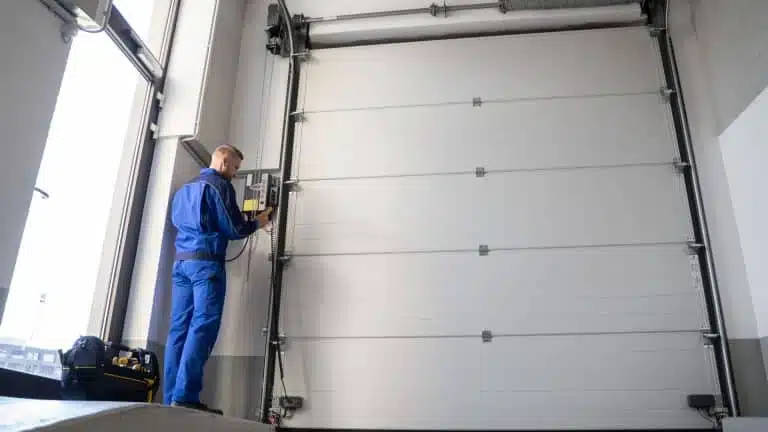
Scheduling garage door maintenance on a consistent schedule helps keep small issues from going unnoticed between professional visits.
Schedule | Maintenance Task |
Spring | Lubricate all moving parts and inspect weather seals after winter |
Summer | Check door panels for heat-related warping or paint damage |
Fall | Tighten hardware and clear tracks before temperatures drop |
Winter | Test safety sensors more frequently, as cold affects alignment |
Monthly | Visually inspect springs, cables, and sensors for wear and test the auto-reverse feature |
Annually | Schedule a full professional inspection of all components |
Following this schedule reduces the likelihood of needing emergency garage door repair during the months when Boise’s weather is at its most demanding.
When Basic Maintenance Is Not Enough for a Garage Door
Regular maintenance covers a lot, but certain warning signs point to issues that go beyond what routine upkeep can address.
Signs that professional help is needed:
- The door moves slowly, even after fresh lubrication has been applied
- The opener runs, but the door stops halfway without completing the cycle
- Visible damage to cables, springs, or tracks that appeared suddenly
- The circuit breaker trips repeatedly after the opener runs
- Strange noises like grinding, popping, or banging that were not present before
To weigh repair against replacement, read our guide on Garage Door Repair vs Replacement: Which Should You Choose?, which covers the key factors Boise homeowners need to consider.
How Pros Handle Garage Door Maintenance
A trained garage door technician covers every component of the door system in a way that routine home maintenance cannot replicate.
What a professional maintenance visit covers:
- Full inspection of torsion springs, extension springs, and cables for wear
- Lubrication of all mechanical parts, including rollers, hinges, and bearings
- Safety sensor alignment and testing to confirm the auto-reverse is functioning
- Opener inspection covering the motor unit, logic board, and internal wiring
- Weatherstripping check and replacement recommendation if needed
Scheduling a professional maintenance visit at least once a year gives every garage door in Boise the thorough attention that basic home checks cannot provide.
How to Find the Right Garage Door Maintenance Company in Boise
Finding the right garage door maintenance company in Boise takes more than a quick online search, and knowing what to look for saves time and avoids poor service.
What to look for in a garage door maintenance company:
- Verifiable local experience in Boise and the surrounding areas
- Technicians trained to handle both mechanical parts and opener systems
- Clear pricing with no hidden fees before work begins
- Positive reviews that reflect excellent customer service from local customers
- Proper licensing and insurance covering all repair services
To get a full breakdown of how to evaluate and choose the right provider, read our guide on How to Find a Reliable Garage Door Repair Company in Boise, which covers every factor worth considering before booking a service call.
Give a Garage Door the Care It Needs After Every Repair
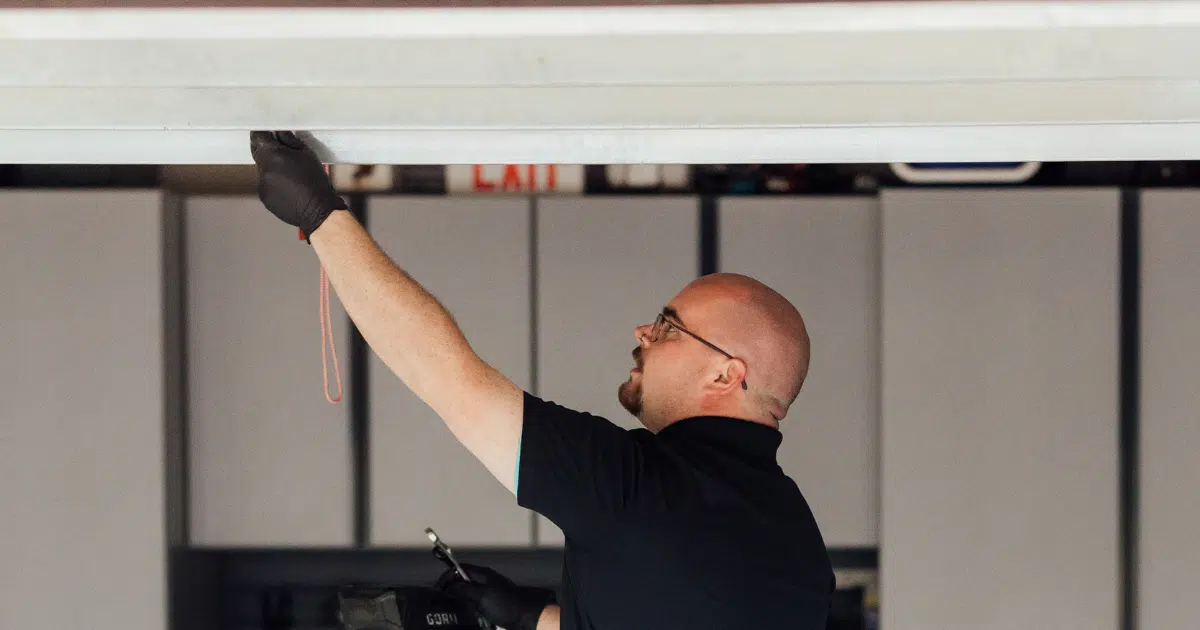
Consistent maintenance after a garage door repair is what separates a door that holds up for years from one that keeps breaking down at the worst times. A regular schedule of lubrication, hardware checks, and professional inspections keeps every component in good working order.
Sawtooth Garage Doors is the trusted choice for Boise homeowners who want thorough maintenance visits, honest assessments, and repair services that deliver lasting results. Contact us or give us a call today, and let our team ensure every part of your garage door is working exactly as it should after every repair.